Ontario Home Renovation Savings Rebate: How Much Can You Get for Solar and Battery?
Ontario's Home Renovation Savings program pays up to $10,000 toward solar panels and a home battery installed together. Here is how much you can get, who qualifies, and the mistakes that cost people their rebate.
TRU Off Grid · October 16, 2026
Note: Rebate rules checked against the program in October 2026. If the program announces changes before this goes up, please check with Jacob.
How Much Is the Rebate?
The Home Renovation Savings (HRS) program pays two rebates that stack:
- Solar: $1,000 per kW of solar, up to $5,000. A 5 kW array (ten 500 W panels) reaches the maximum.
- Battery storage: $300 per kWh of battery, up to $5,000. About 16.7 kWh of storage reaches the maximum.
- Combined maximum: $10,000.
- One more limit applies: each rebate is also capped at 50% of the eligible cost of that part of the project, before HST. On a typical professionally installed system this rarely bites, but on a very small array it can.
Who Qualifies?
- Solar and battery together: both must be new and installed at the same time, as one project.
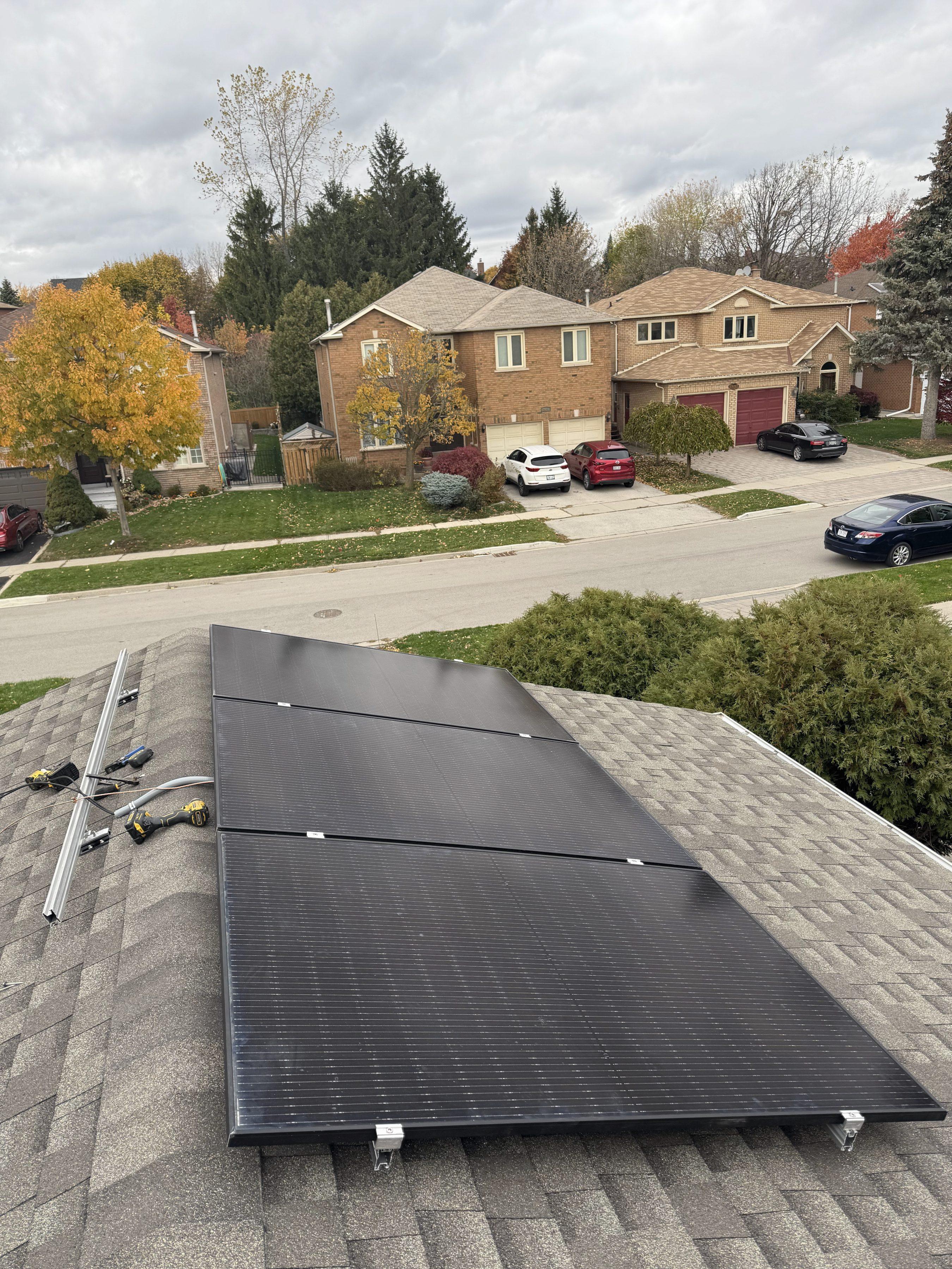
- Rooftop solar: panels must be on the roof of your home or a permanent building on the same hydro meter, such as a detached garage.
- Non-exporting system: the system powers your home and does not sell power back to the grid. Net-metering systems do not qualify.
Grid-connected home with a residential hydro account: cottages and other non-primary homes qualify, as long as they are connected to the grid.
The homeowner applies: the registered owner must apply, and the work must be done by a contractor.
What Does Not Qualify?
Battery only or solar only.
Adding to an existing system: homes that already have solar or battery storage, or adding a battery to solar you installed earlier.
Ground-mounted solar, and temporary or portable structures such as trailers or RVs.
Off-grid homes and cabins that are not connected to the Ontario grid.
Anything bought or installed before pre-approval. This is the most common way people lose the rebate.
How the Process Works
1. Free assessment and design. We review your hydro bill and roof and size the solar and battery.
2. Pre-approval. We submit the pre-installation application on your behalf. Nothing is purchased or installed until written approval comes back.
3. Permits and install. We handle the ESA permit and the utility application, then install the system. The project must be finished within 12 months of pre-approval.
4. Post-installation claim. We submit the invoice, inspection proof and install photos.
5. Your cheque. The rebate is paid directly to you by cheque after the program approves the claim. It is not deducted from your invoice, and it can take several months to arrive.
Is It Worth It?
For most homes on time-of-use or Ultra-Low Overnight rates, a solar and battery system that qualifies for the full rebate is the best value we can design. Even a modest roof array unlocks the full battery rebate, because a battery alone gets nothing. The battery also gives you backup power during outages, which is often the real reason people call us. See how the battery saves money on ULO vs Time-of-Use rates.
TRU Off Grid Handles the Paperwork
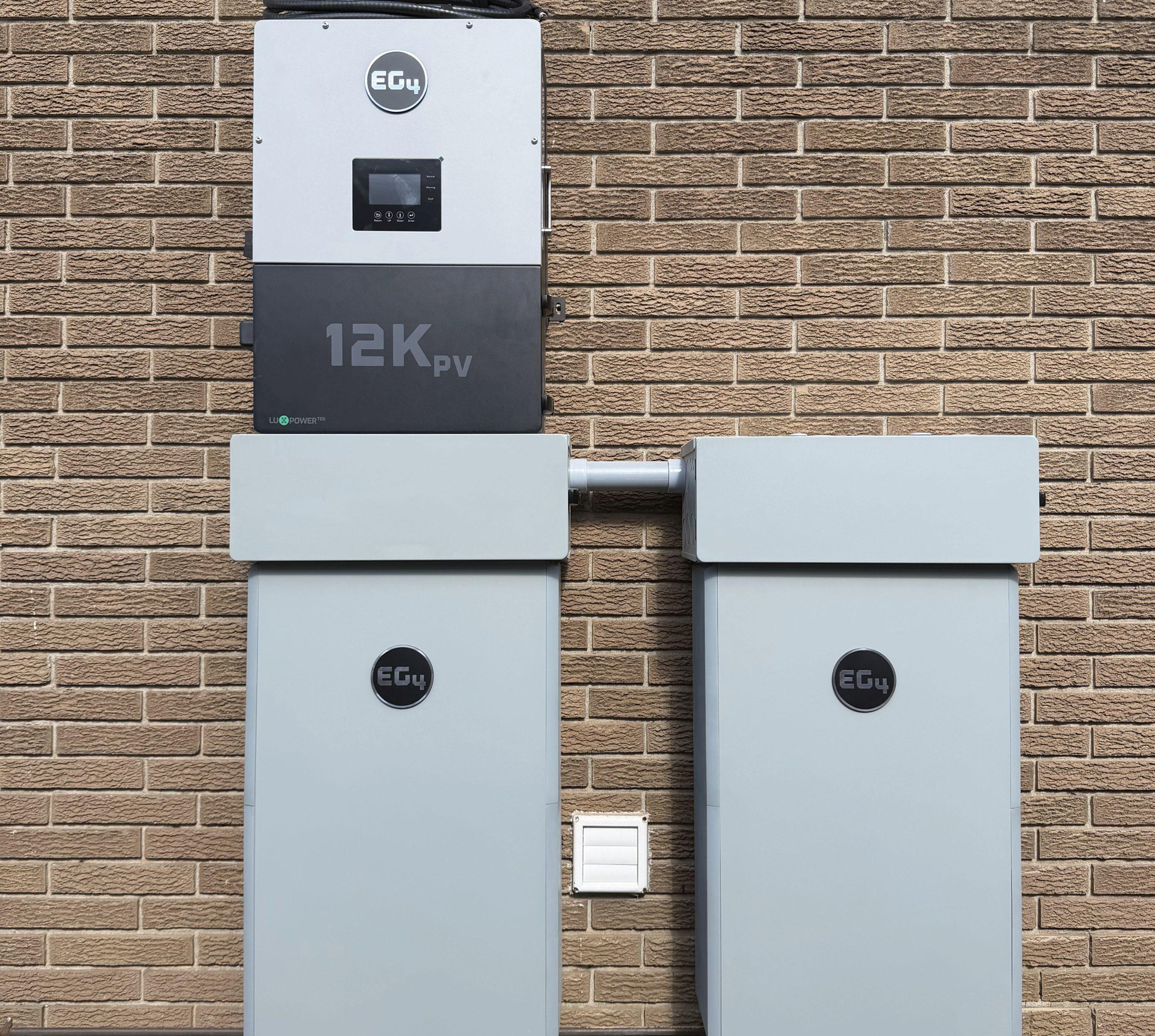
TRU Off Grid designs, permits, installs and files the full HRS application for every solar and battery system we install, using EG4 or Canadian Solar EP Cube 2.0 batteries. Send a recent hydro bill to jacob@truoffgrid.com or call Jacob Collier at 647-914-9699 and we will tell you what your home qualifies for.
Program rules can change. We confirm your eligibility at pre-approval, before you spend anything.