Off-Grid Power for Job Sites: How a Solar and Battery Container Cuts Generator Runtime
Most job sites still run a generator around the clock to power a small office. A solar and battery system built into a sea container lets the battery run the site and the generator only recharge it.
TRU Off Grid · October 17, 2026
The Problem: A Generator That Never Stops
A generator running 24/7 logs 8,760 engine hours a year, mostly idling on a small office load overnight. That means fuel deliveries, noise and exhaust beside the office, and service bills that never stop adding up.
The TRU Approach: The Battery Runs the Site
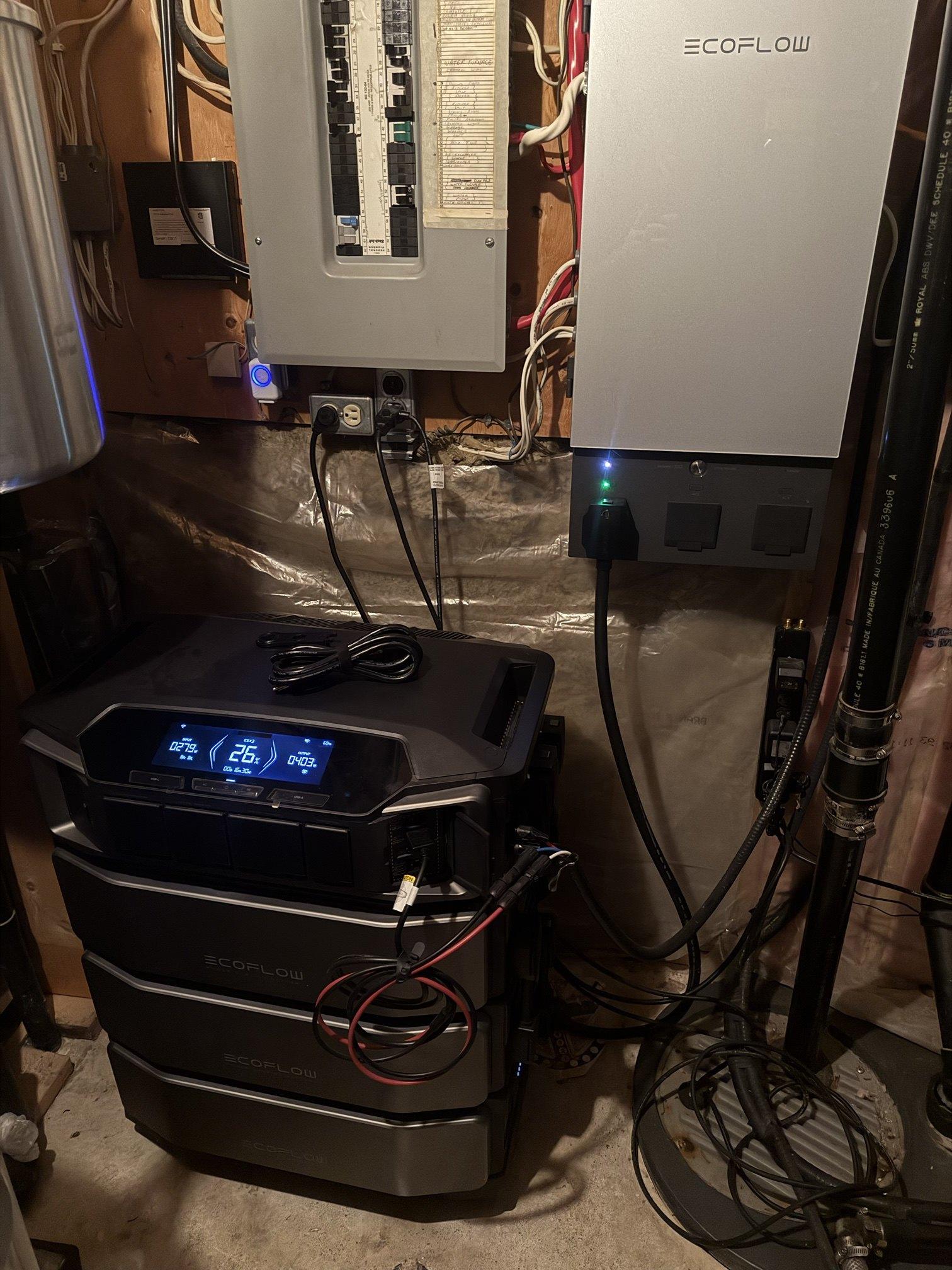
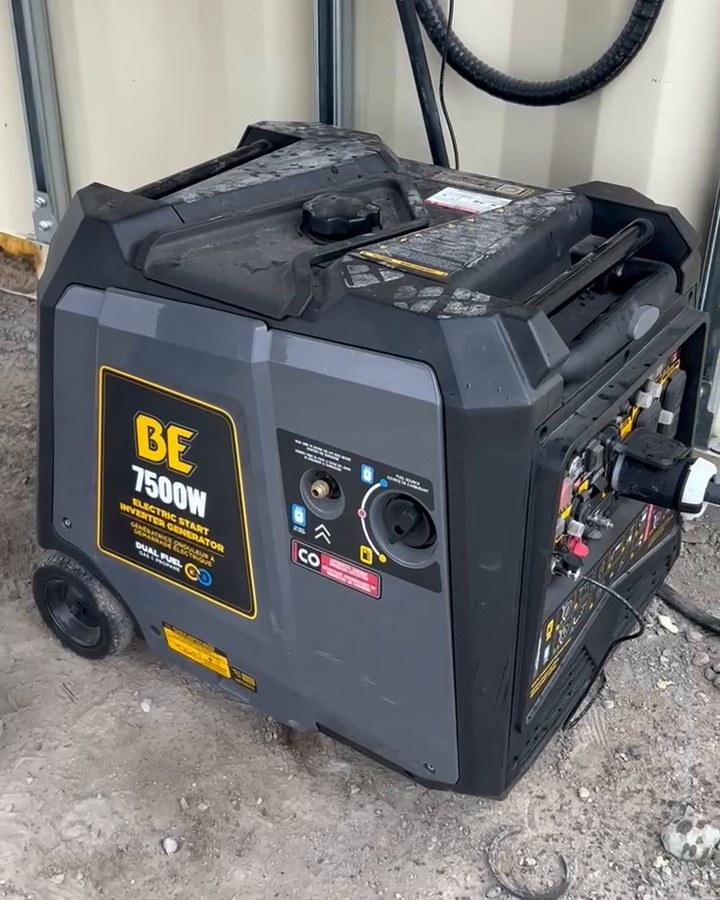
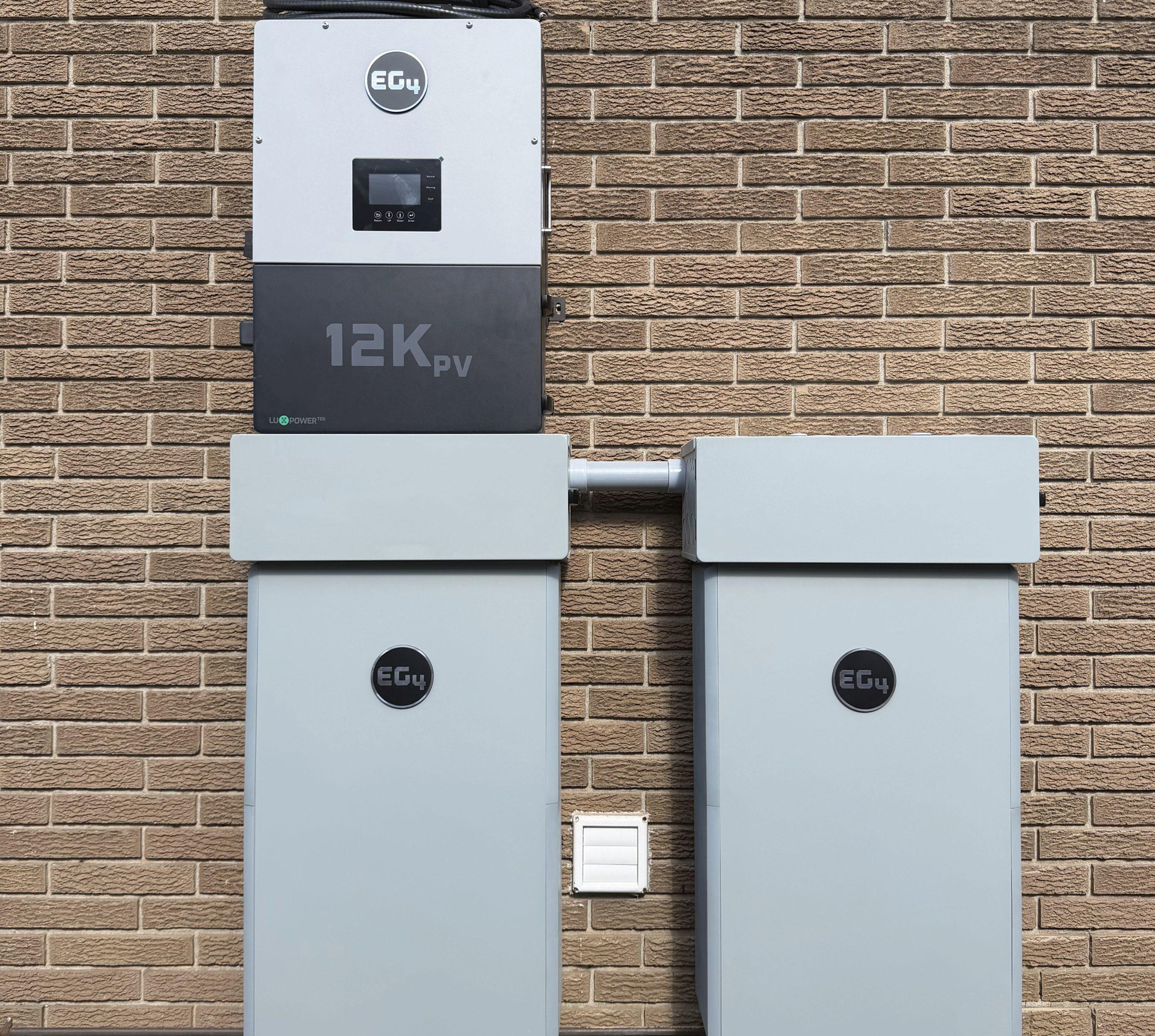
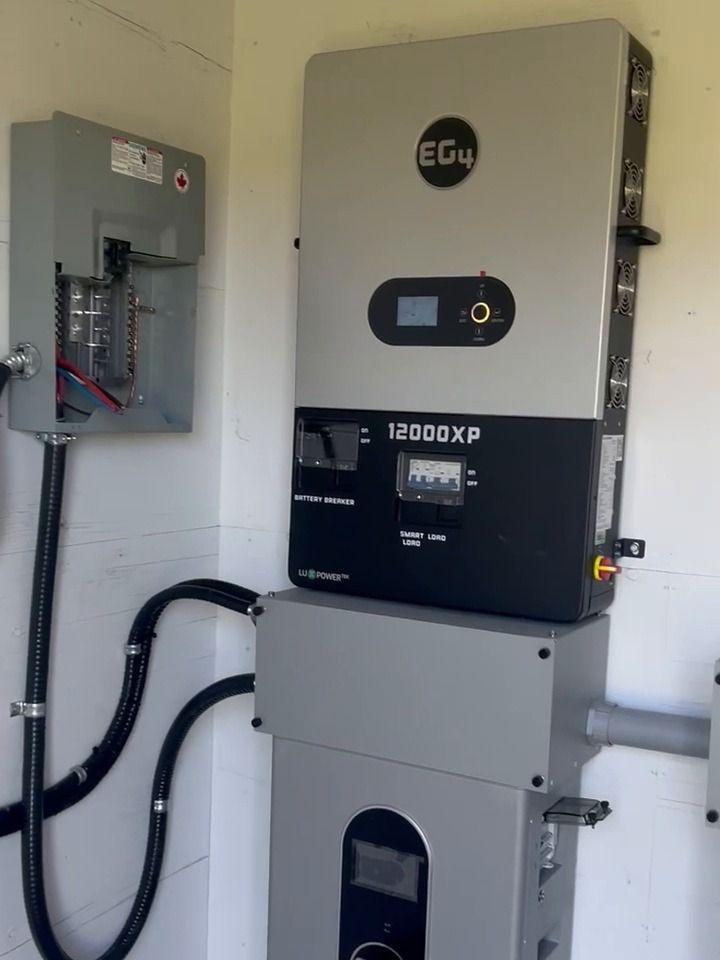
We flip it around. A LiFePO4 battery bank and inverter power the office, solar panels charge the battery in daylight, and the generator only starts when the battery gets low. At about 10% it starts on its own, refills the battery, and shuts off at about 95%. Overnight, the site runs quietly on battery power.
Remote monitoring shows battery level, solar output, generator run time and alarms, so no one on site has to manage it.
Three Ways to Set It Up
- Site Office C-Can: a complete off-grid office in a 20 to 40 ft insulated sea container, with finished walls, a mini-split heat pump for heating and cooling, LED lighting, receptacles, and the battery room built in. Solar mounts on the container.
- Power C-Can: a mobile electrical room with the batteries, inverters and controls built in, feeding the office trailers you already have. It moves with the project.
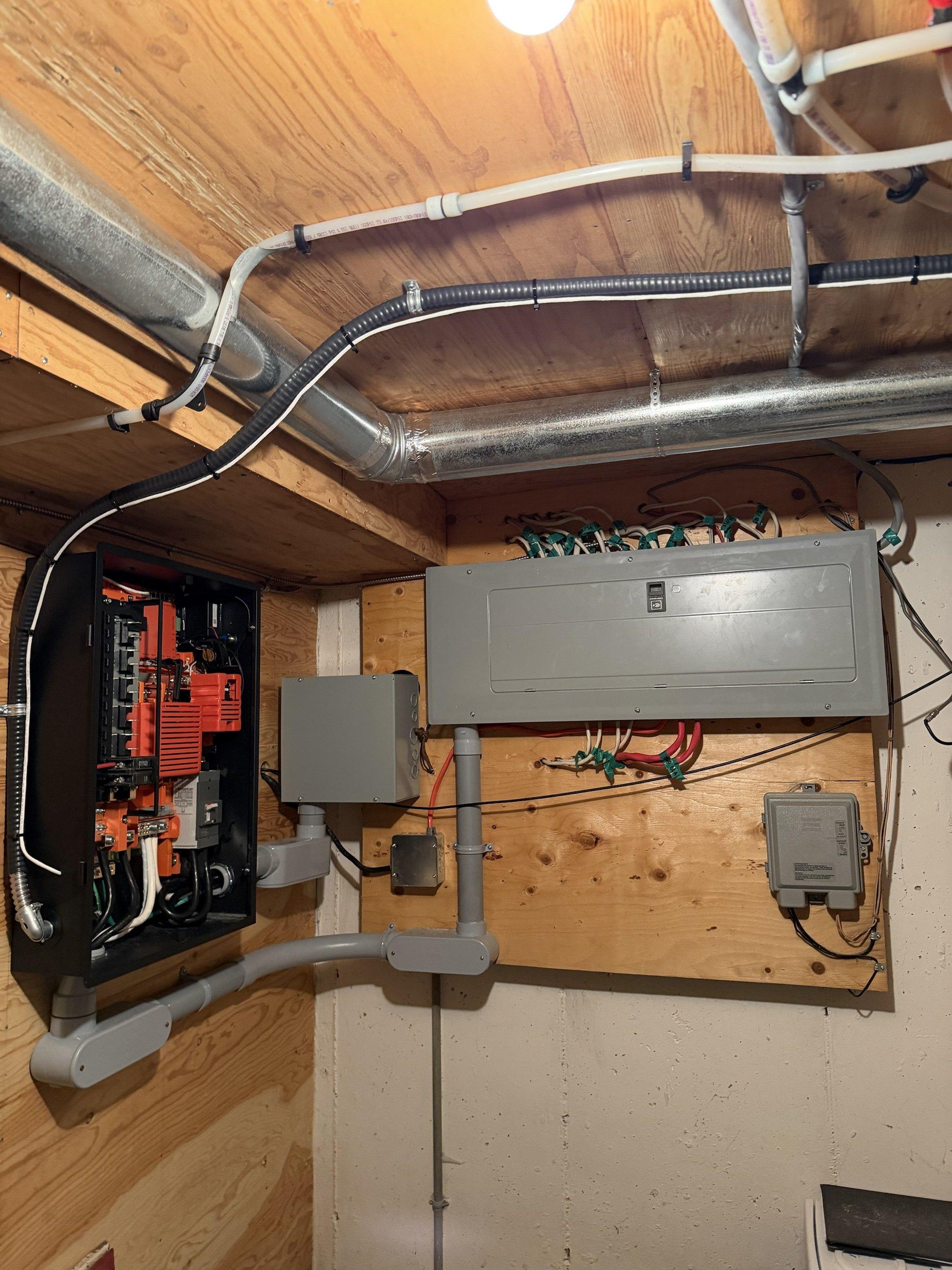
- Retrofit: we install the system into your existing trailer or scale house, with solar on the roof and the battery and inverter inside.
Real Result: An Off-Grid Scale House
On an aggregate site, we replaced a 12 kW diesel generator that ran around the clock with rooftop solar, one 14.3 kWh battery, a 6 kW inverter and a 10.5 kW propane backup generator. The office uses 15 to 17 kWh a day.
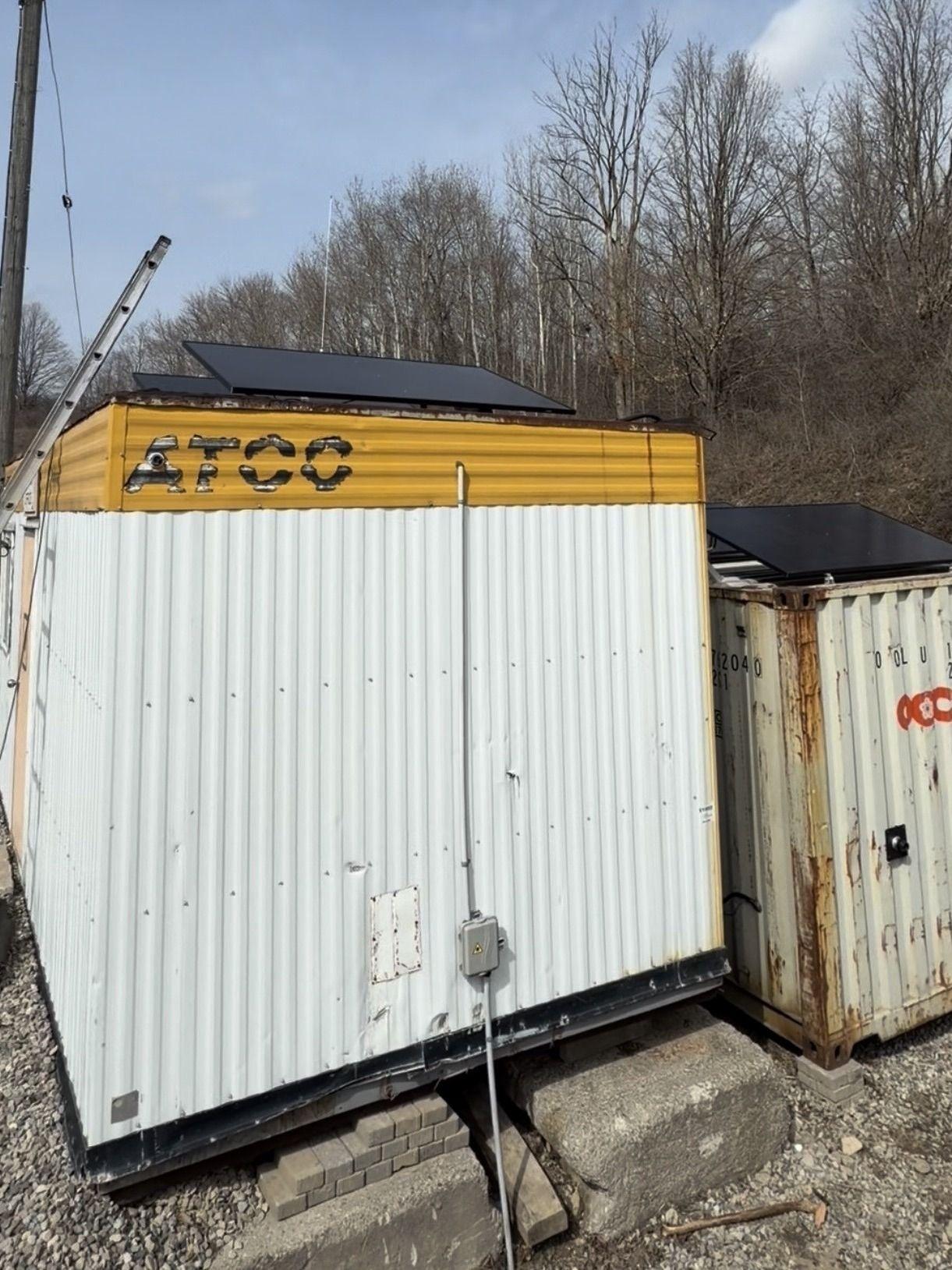
From March to April, the site spent $300 to $390 on propane, against an estimated $3,170 to $4,700 of diesel for the same load. That is roughly 90% less fuel cost.
Sized to the Site
Every system is custom. A scale house or small office may need one or two batteries and a 6 kW inverter. A row of office trailers may need 100 kWh or more of storage, several 12 kW inverters and a larger propane generator. We size it after a load review, ideally with real data from one of your trailers.
Rent It or Own It
- Rent: a monthly program, from a 6-month construction term to an annual program, including delivery, hookup, commissioning, monitoring and support. We pick it up when the project ends.
- Own: buy the system as a company asset and move it from site to site as projects change. Add batteries or inverters later without a redesign.
Built in Milton
Every container is built and tested at our Milton shop, then delivered, connected and commissioned by the same TRU team that answers the phone. To get started, send us your trailer count, a list of loads, the site location and your current fuel spend. Call Jacob Collier at 647-914-9699 or email jacob@truoffgrid.com, or see our Commercial page.