How Much Battery Do You Need? Sizing Home Battery Backup in Ontario
The right battery size comes down to two questions: what do you want to keep running, and for how long? Here is how we size EG4 and EP Cube 2.0 systems for Ontario homes, with real examples.
TRU Off Grid · October 17, 2026
Start With What You Want to Keep On
Before anyone talks about batteries, decide what matters during an outage. Most homes land in one of three groups.
- Essentials: fridge, freezer, furnace fan, sump pump, well pump, lights, internet and a few outlets. This keeps the house safe, warm and dry.
- Most of the home: the essentials plus the kitchen, laundry and normal day-to-day use, while you skip the biggest loads.
- Whole home: everything, including central air, an electric range, a dryer, a heat pump or an EV charger. This is the biggest system and needs the most planning.
Two Numbers Matter: kWh and kW
Energy (kWh) is how much the battery stores. It decides how long you can run. A typical Ontario home uses about 20 to 30 kWh a day, and essentials alone often use 8 to 12 kWh a day.
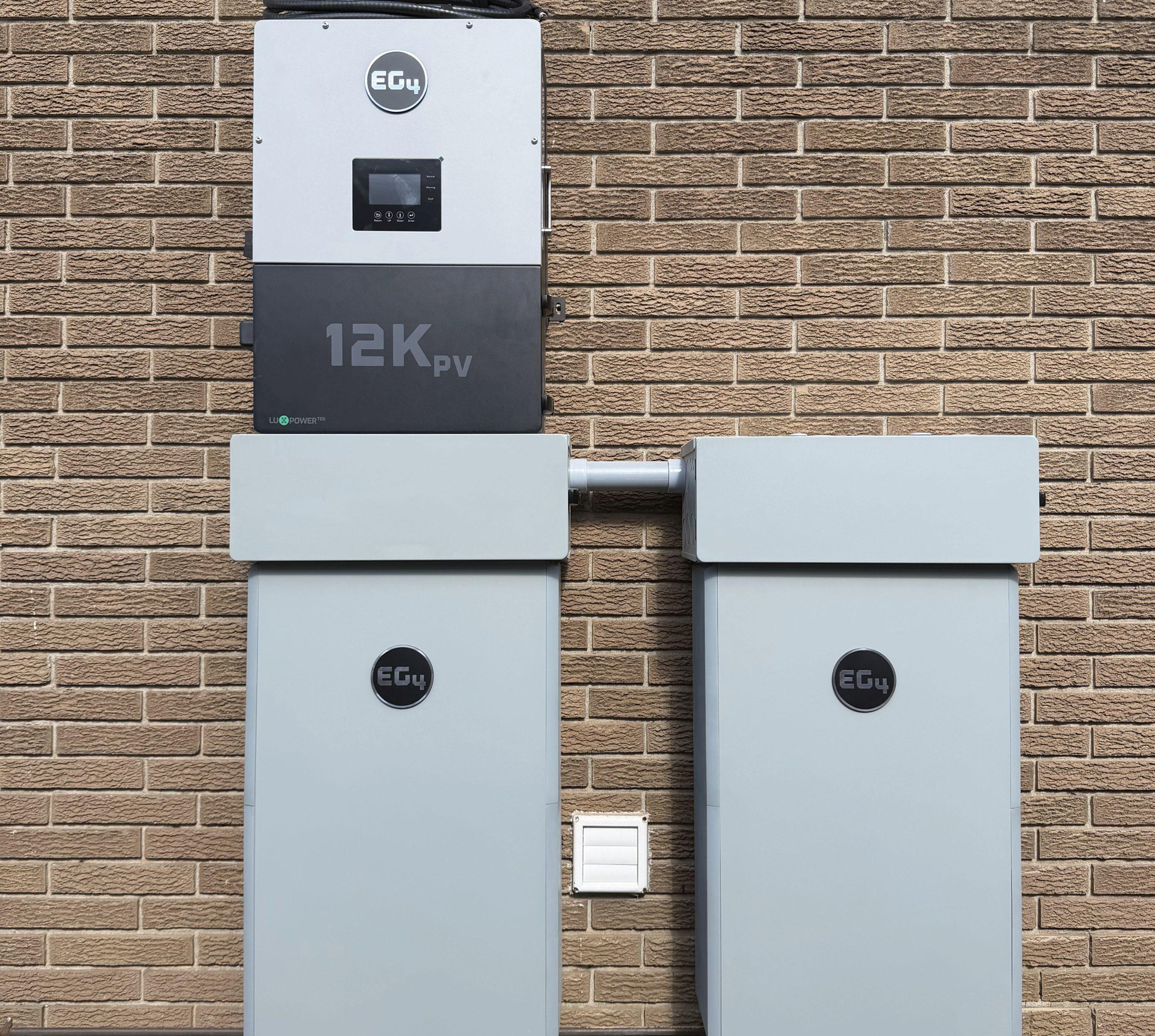
Power (kW) is how much the inverter can deliver at once. It decides what you can run at the same time. A well pump, sump pump or air conditioner pulls a big surge when it starts, so the inverter has to handle that surge, not just the running load. An EG4 12000XP, for example, delivers 12 kW continuous with an 18 kW surge.
A system with plenty of storage but too little power will trip when the well pump starts. A system with plenty of power but too little storage will run everything for a few hours and then go dark. Good sizing balances both.
Typical Sizes We Install
| Goal | Typical loads | Typical battery | What to expect |
|---|---|---|---|
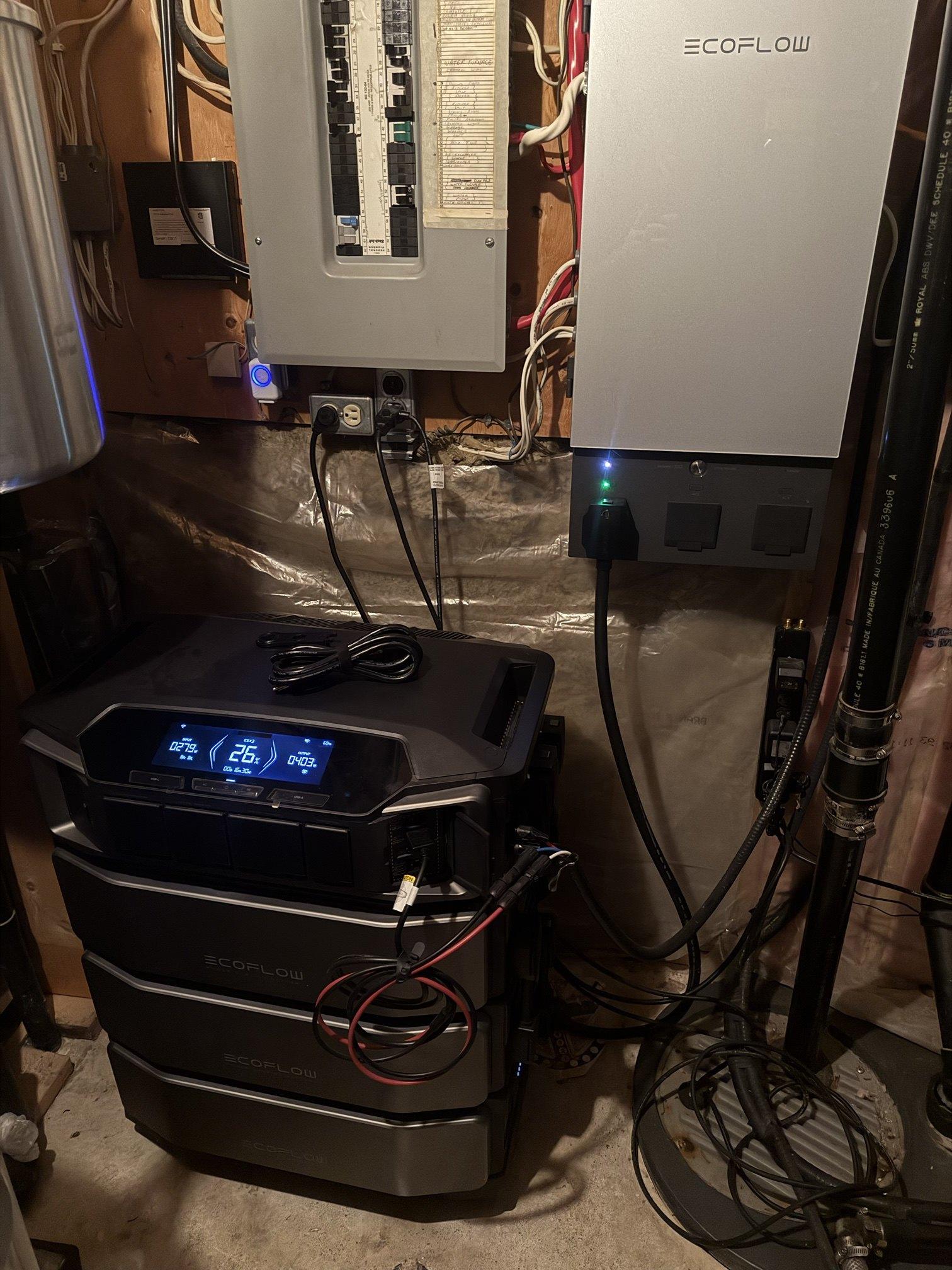
| Essentials | Fridge, freezer, furnace fan, sump, lights, internet | 1 battery (about 14 kWh) | About a day of essentials, longer with solar |
| Most of the home | Essentials plus kitchen, laundry, outlets | 2 batteries (about 28 kWh) | One to two days, longer with solar |
| Whole home | Everything, including central air or a heat pump | 3 or more batteries (43 kWh and up) | Needs solar or a generator for multi-day outages |
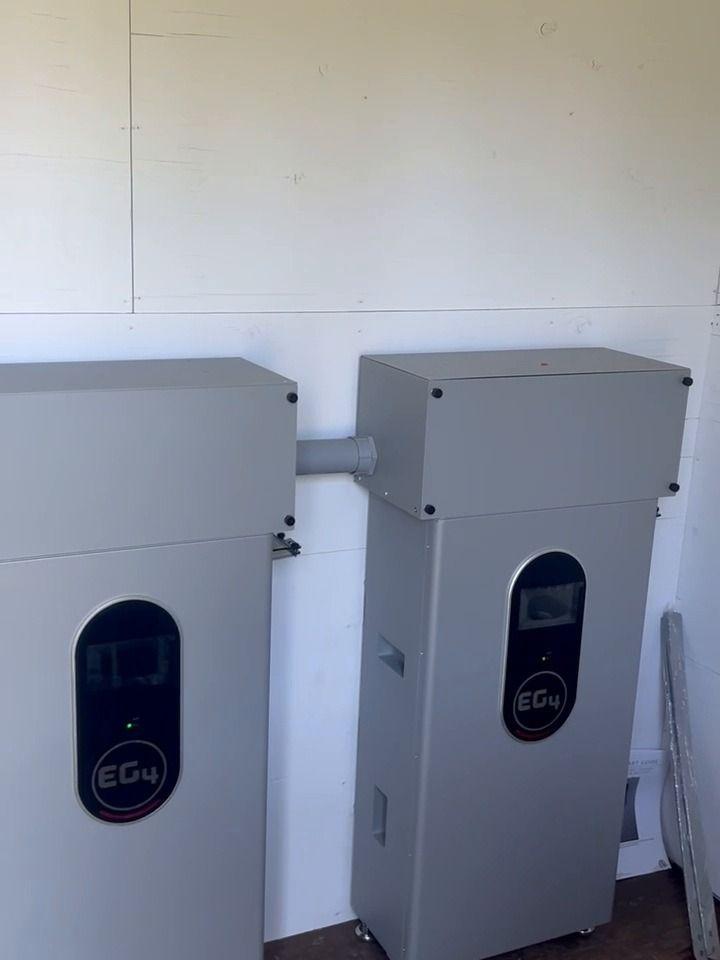
These are starting points, not quotes. Every home is sized from its own hydro bill and load list.EG4 batteries come in 14.3 kWh building blocks. EP Cube 2.0 stacks in smaller steps, which helps when you want to fine tune the size. Both can grow later if you add loads.
Where the Batteries Can Go
Ontario's electrical code limits where batteries can go and how much storage each spot can hold. Inside the home, batteries need a dedicated fire-rated utility room, with a limit of 20 kWh per battery unit and 40 kWh in total, and they can never go in or beside a bedroom. A garage or an outside wall allows up to 80 kWh. That is why most of our EG4 and EP Cube 2.0 systems are mounted outside on a pad or wall, using weather-rated batteries. It also frees up space in the basement.
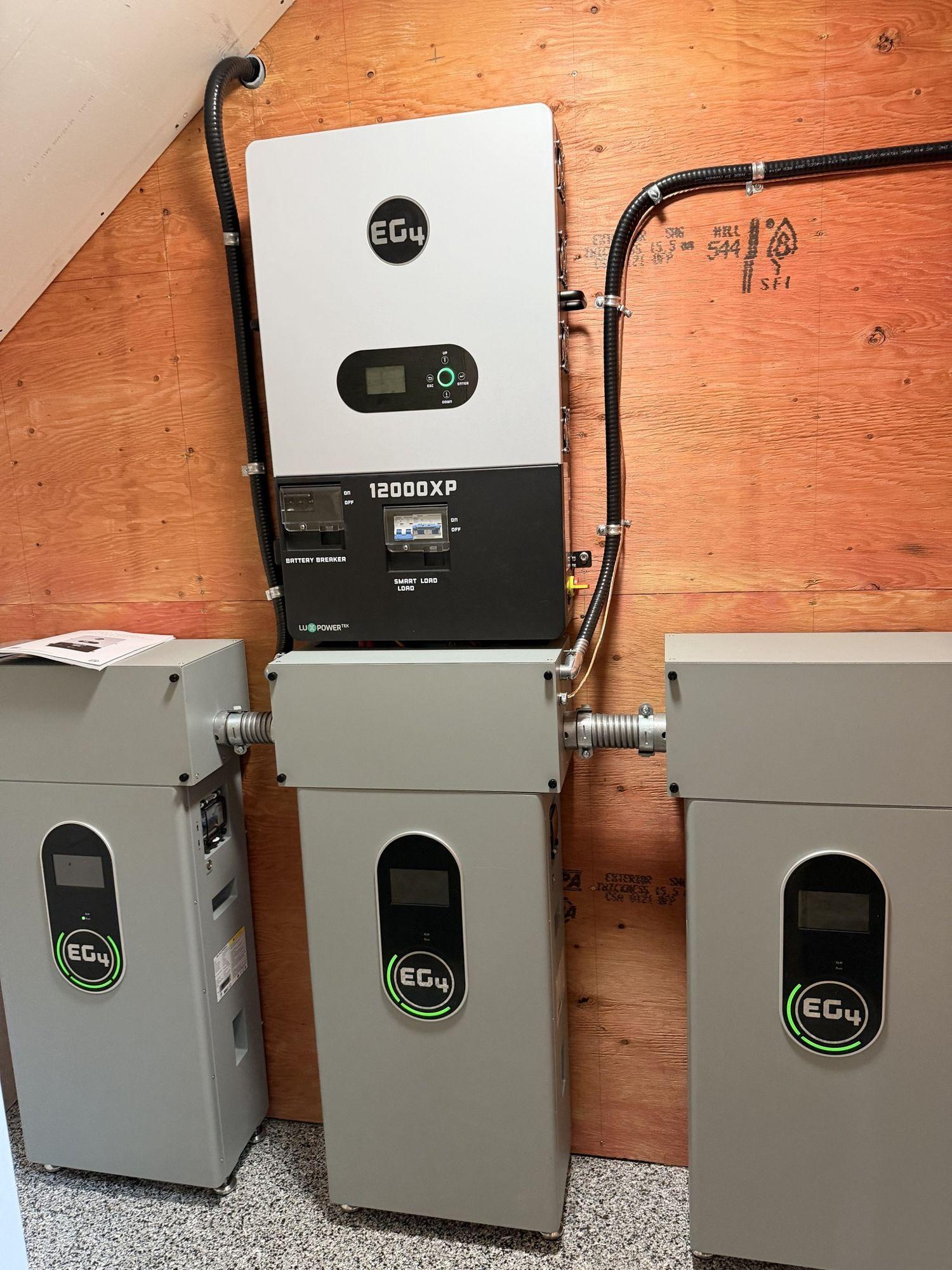
If you would rather keep everything inside, we will check your utility room against the code during the site visit and size the system to fit.
Make the Battery Last Longer: Solar and a Generator
A battery on its own is a fixed tank. Once it is empty, it waits for the grid. Two add-ons change that.
Solar refills the battery every sunny day, so a two or three day outage in summer becomes easy. When solar and the battery are installed together as a non-exporting system, the Home Renovation Savings rebate can cover up to $10,000. See our rebate guide.
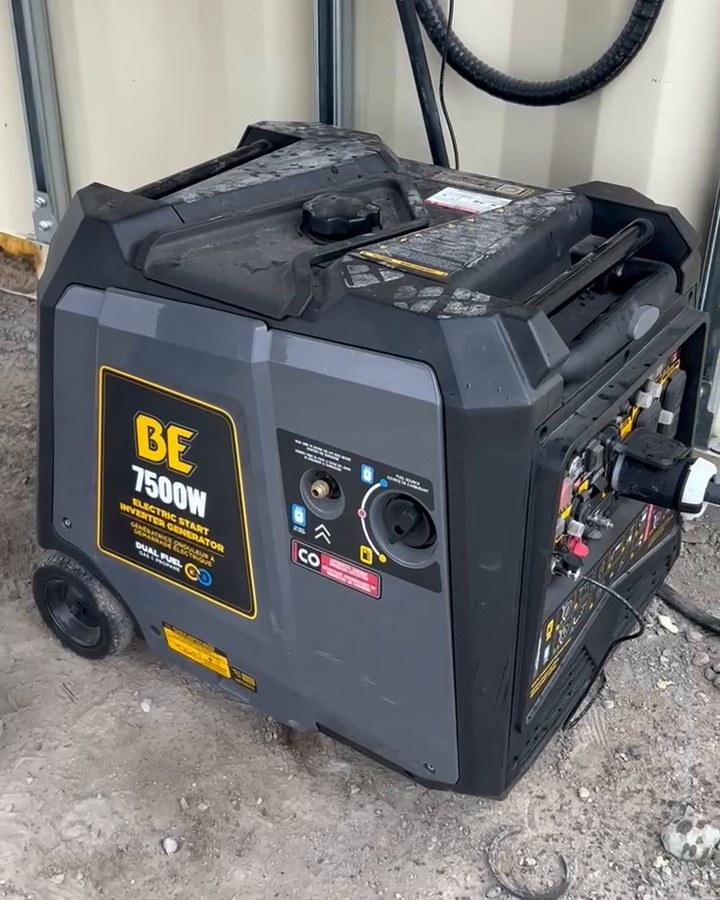
A generator covers long winter outages when solar is weak. EG4 inverters can start a compatible inverter-type generator automatically when the battery runs low, then shut it off once the battery is charged.
How We Size Your System
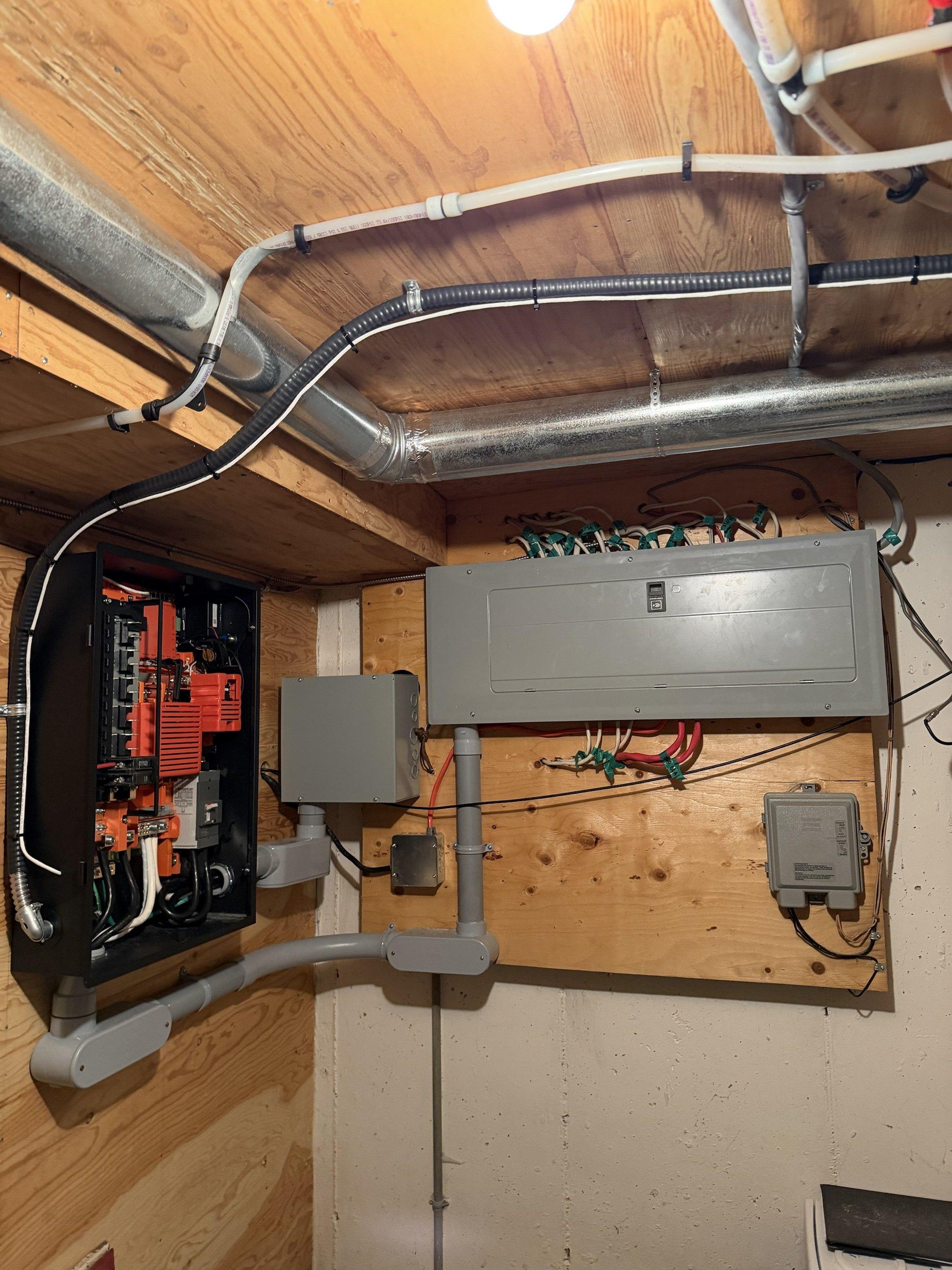
We start with 12 months of hydro usage, a walk through your panel and a list of the loads you care about. From there we design two or three options, from essentials to whole home, so you can compare cost and coverage side by side.
TRU Off Grid designs, permits and installs EG4 and Canadian Solar EP Cube 2.0 systems across Ontario from our shop in Milton, with a licensed master electrician on staff. Send a recent hydro bill to jacob@truoffgrid.com or call Jacob Collier at 647-914-9699 to get started.