ESA Permits for Solar and Batteries in Ontario: What Homeowners Should Know
Every solar and battery system in Ontario needs the right permits before it can be switched on. Here is who files what, how the ESA inspection works, and where the utility and building permit fit in.
TRU Off Grid · November 5, 2026
Why Permits Matter
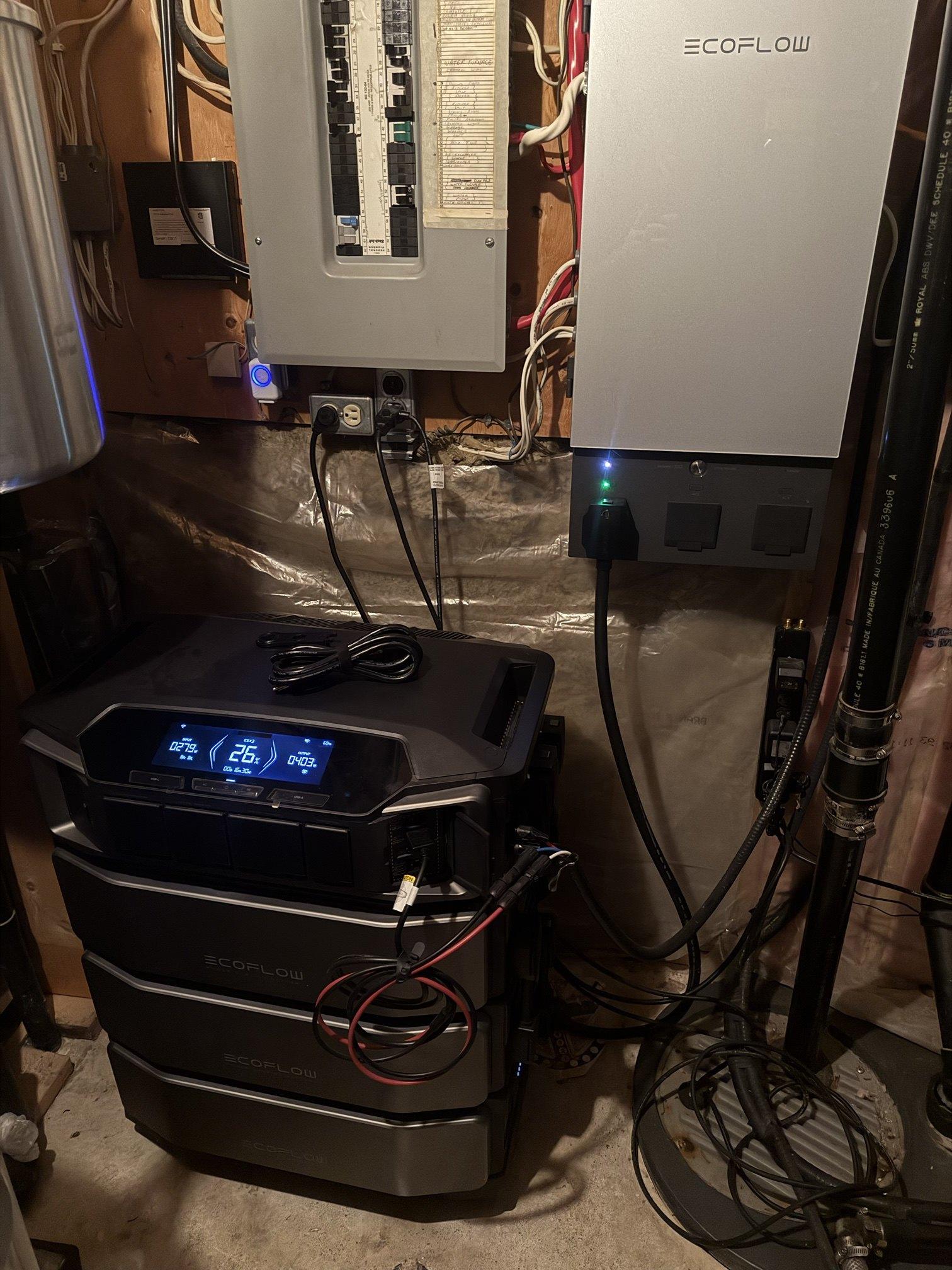
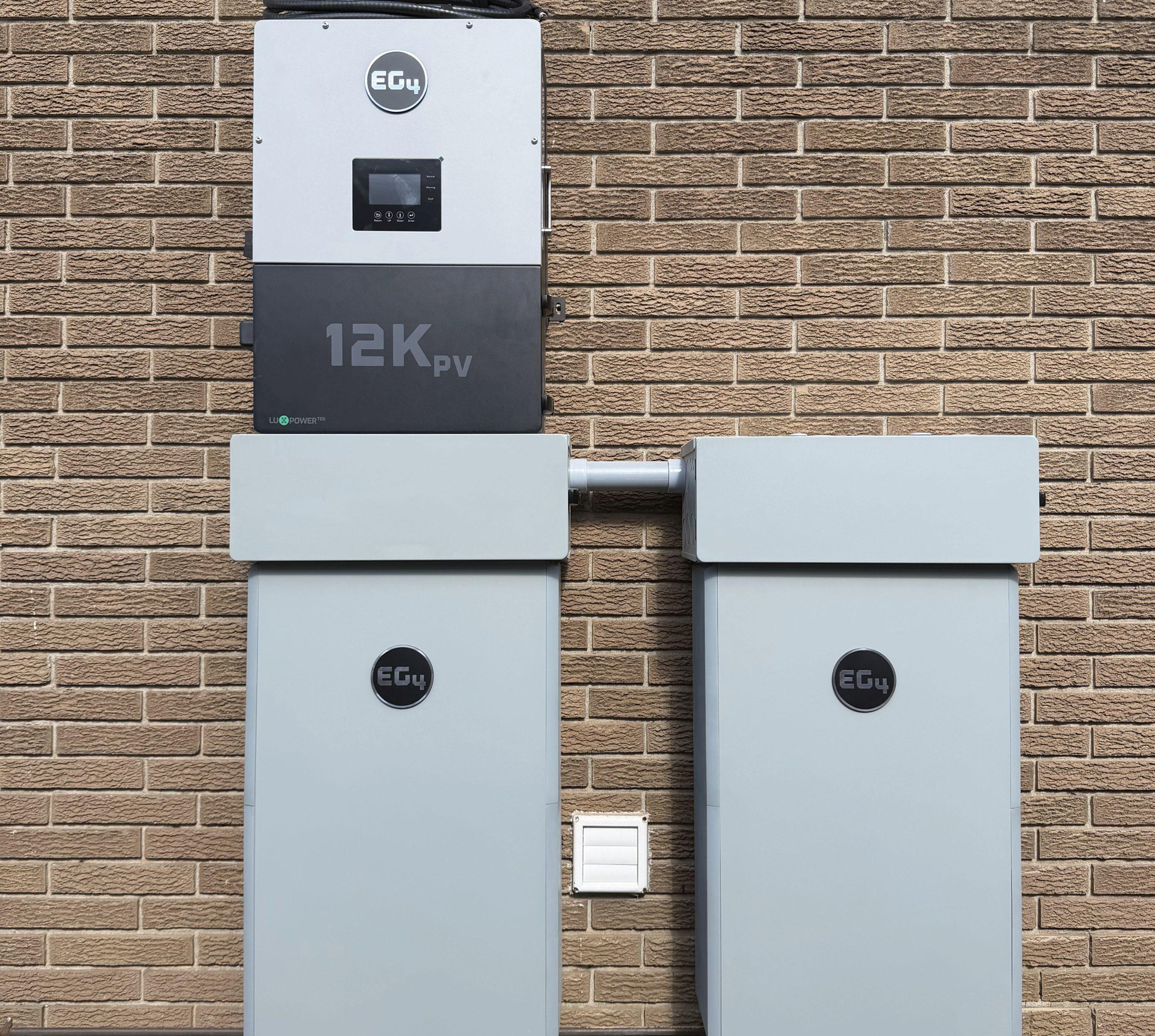
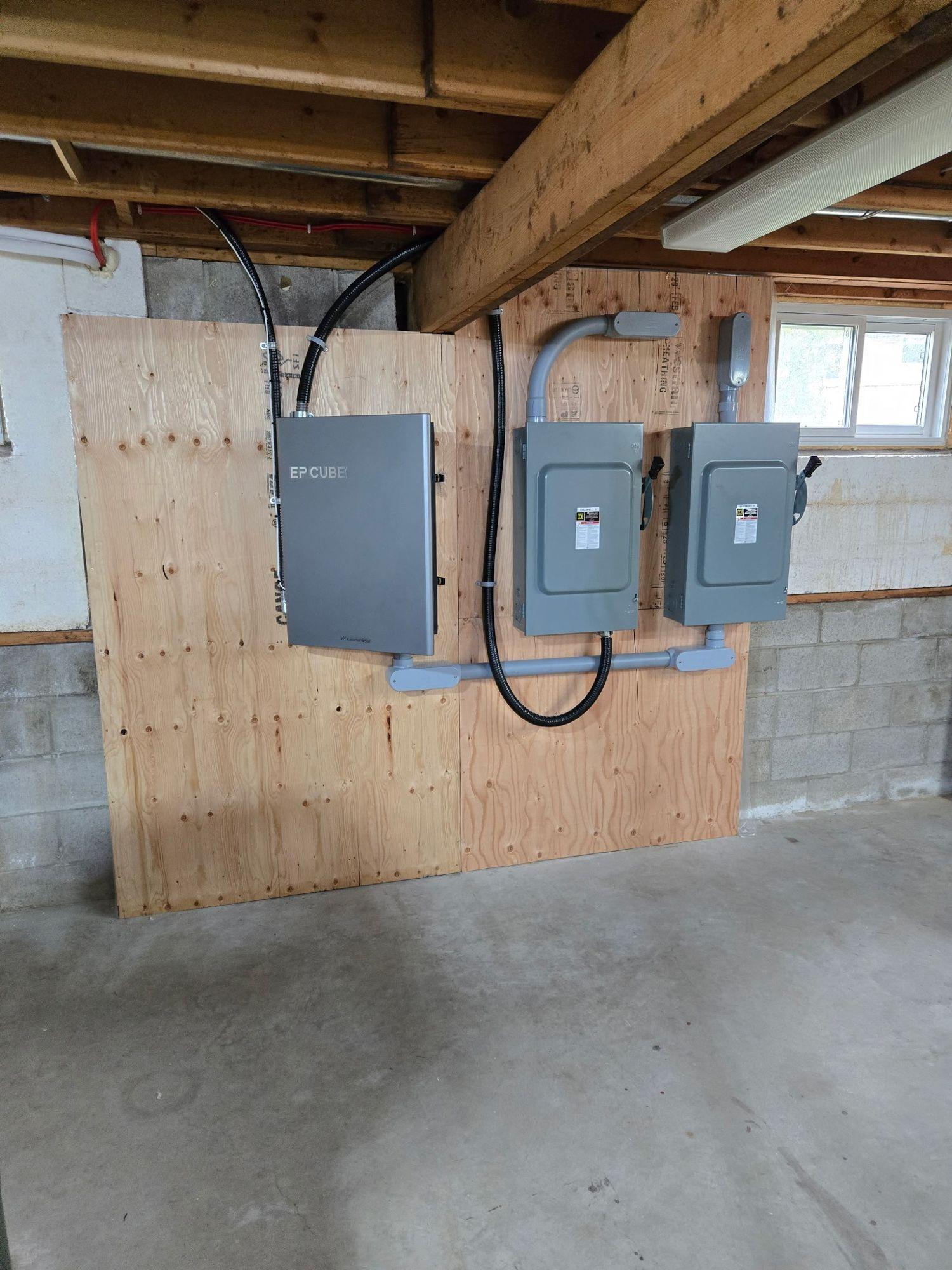
A solar and battery system is electrical work tied into your home, and in many cases into the grid. In Ontario that work is permitted and inspected by the Electrical Safety Authority, known as ESA. The permit protects you: it confirms the system was installed to code, it keeps your home insurance in good standing, and it is required for the utility connection and for the Home Renovation Savings rebate.
Who Files the ESA Permit
The licensed electrical contractor doing the work files the ESA notification before the job starts. At TRU Off Grid we file it under our own Master Electrician License, so you do not have to deal with ESA yourself. If anyone asks you to pull the electrical permit as the homeowner for work they are doing, that is a red flag.
The ESA Inspection
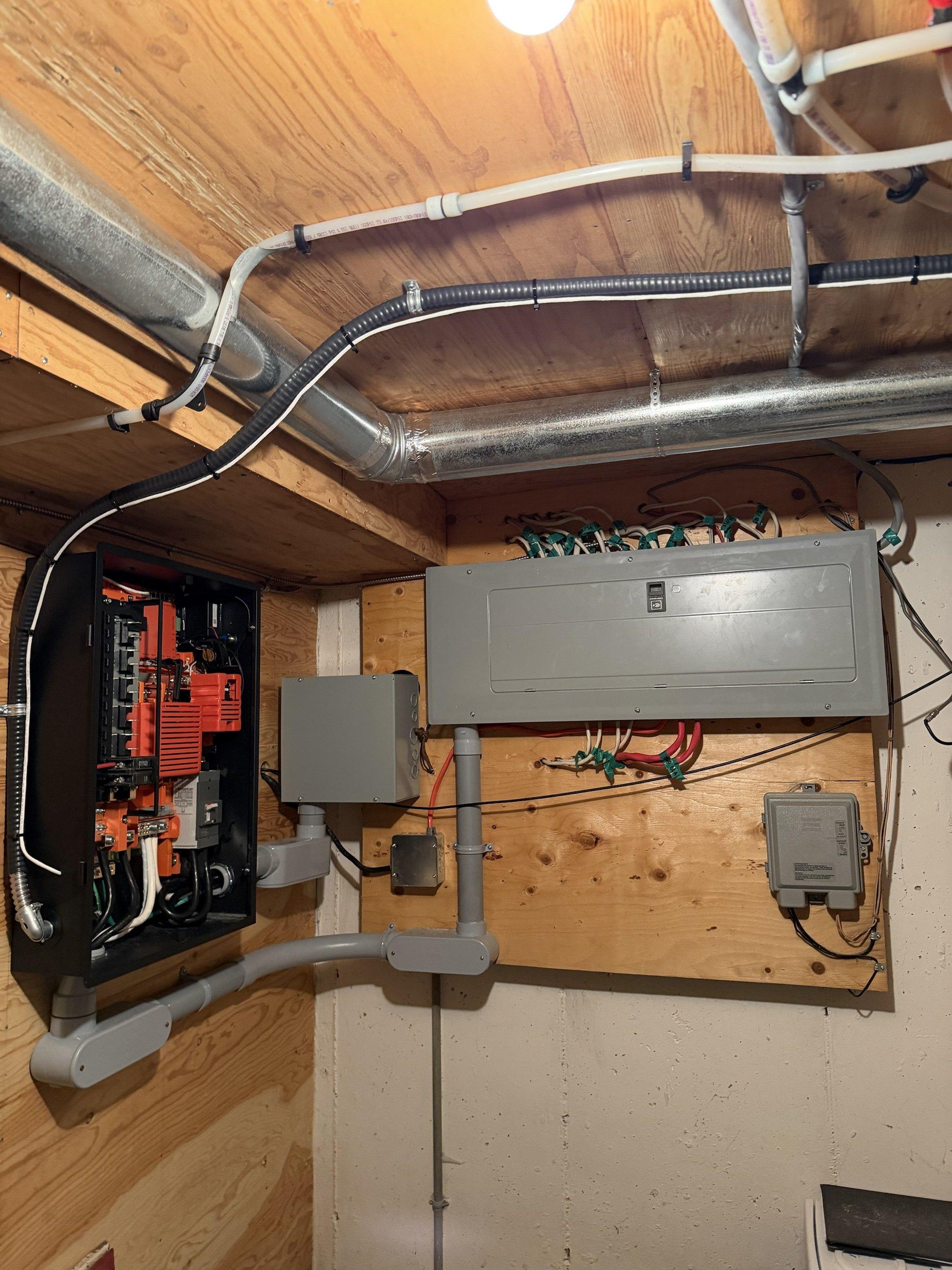
Once the system is installed, ESA inspects it. The inspector checks the wiring, the disconnects, the labels, the grounding and the connection to your panel. When it passes, ESA signs off the work. For a system that connects to the grid, the utility needs that sign-off before it will finish its part.
The Utility Application
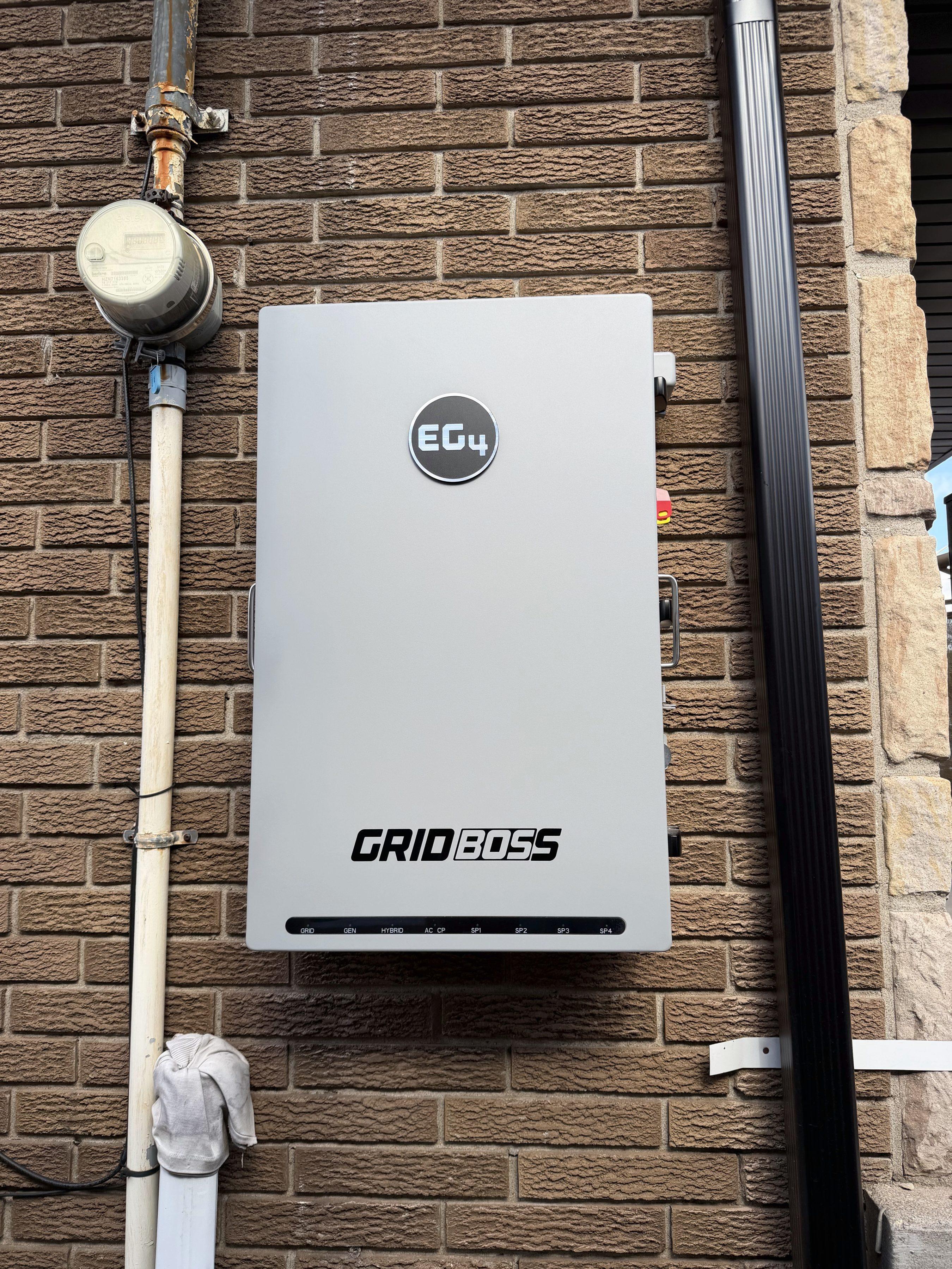
If your system connects to the grid, your local utility, such as Hydro One, Milton Hydro or Alectra, has its own application. It checks that the local grid can take the connection, and for net metering it sets up the right meter. This happens even for systems that do not send power back to the grid when they are part of the rebate program.
Net metering is never guaranteed. The utility reviews every application, and we file it early so it does not hold up the install.
The Building Permit
Roof-mounted solar usually needs a building permit from your town or city. The building department wants to know the roof can carry the panels, so we send roof details and the racking plan, and sometimes an engineer's review. Ground mounts and battery-only systems may have different requirements depending on the town.
How Long It All Takes
Permitting is usually the longest part of a project. Utility and building reviews are thorough and can take a few weeks. We start the applications as soon as you sign, so the install date is not waiting on paperwork. The install itself normally spans two or three separate days, plus a day for commissioning.
What We Need From You
To start the permits we ask for your hydro account details, photos of your meter and panel, and photos of the roof and attic for the building permit. We send one clear list when you sign so nothing gets missed.
The Bottom Line
You should never have to chase permits for your own solar or battery system. A good installer files them, books the inspections and shows you the sign-off. Learn more about solar installation, see how the Home Renovation Savings rebate works, or talk to us about your project.